 Sylvia Chebet
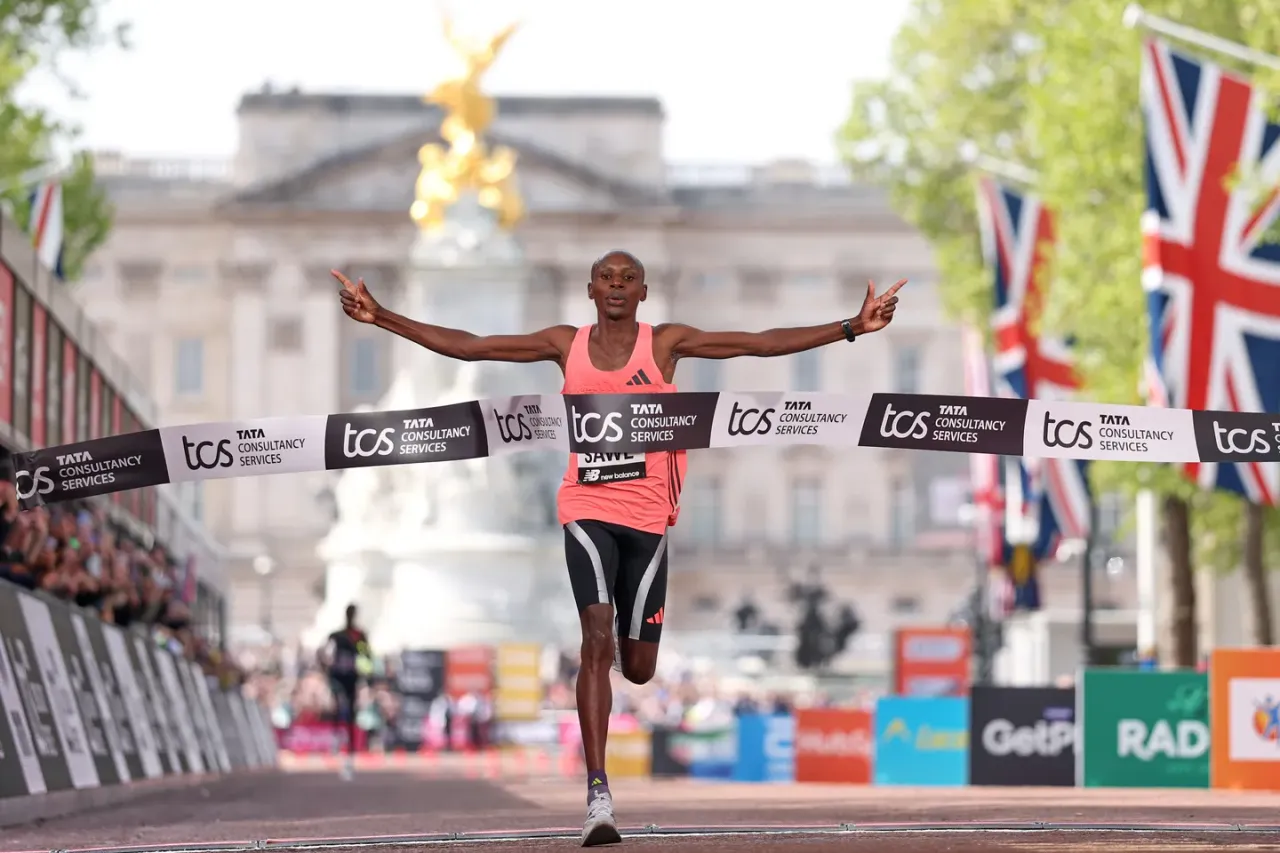
From obscurity to the holy grail of marathon running, Sabastian Sawe has emerged as a new symbol of human endurance.
And when the 31-year-old burst onto the global stage in London, it wasn’t just a breakthrough—it was a signal.
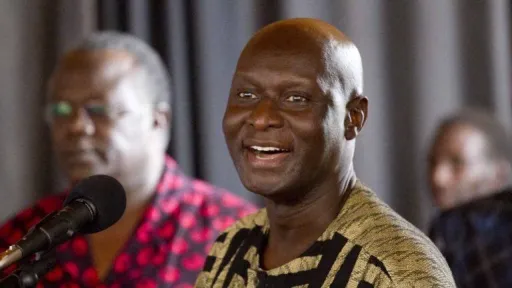
“What you’re seeing with Sabastian Sawe is one of the biggest shifts in modern distance running: elite athletes going straight to road racing, especially the marathon, without first building a long Olympic-style track career,” Martin Keino, who helped break seven world records as a pacesetter, tells TRT Afrika.
For decades, the blueprint for greatness was clear. Athletes developed through the track system—progressing from 5,000m to 10,000m, competing at global championships, and only later transitioning to the marathon. It was the path followed by legends like Eliud Kipchoge, who first became an Olympic champion on the track before redefining marathon excellence.
But Sawe belongs to a different generation.
New route to the top
Instead of logging years on the track, Sawe built his engine on the roads, through cross country, road races, and the half marathon, before stepping up to 42.2km.
“What makes this accomplishment even more extraordinary, is that until just two years ago, you were not a marathorner,” President William Ruto noted during the athlete’s homecoming reception at State House, Nairobi.
Sawe’s sudden burst from novice to history-maker highlights how quickly this new route—bypassing the traditional track system—can deliver results. Martin Keino describes it as a fundamental reordering of the sport.
“We are entering the specialist marathon generation. Kipchoge was the master who graduated upward. Sawe may be the prototype who starts there,” he contends.

Why the shift is happening
Several forces are driving this change, reshaping how young athletes plan their careers.
First, the marathon has become the sport’s premier stage. Once viewed as a late-career destination, it now offers the biggest rewards—financially. Prize money, appearance fees, sponsorships, and global visibility have turned events like the London Marathon into career-defining opportunities.
Prize money at major marathons can reach $150,000, but “the real money is in appearance fees of over $500,000,” Keino asserts.
Second, advances in sports science have rewritten assumptions about endurance development. Altitude training, precise fueling strategies, lactate testing, GPS pacing, and innovations like carbon-plated racing shoes have made it possible for athletes to reach peak marathon performance earlier than ever.
Third, the track system, especially in distance powerhouses like Kenya and Ethiopia, has become fiercely competitive.








“Why fight through rounds and selection politics when I can earn immediately on the roads?” Keino asks, a question increasingly shaping decisions among athletes in their early 20s.
Finally, the half marathon has emerged as a new proving ground. Where the 10,000m once served as the benchmark for marathon readiness, strong half marathon performances now offer a direct indicator that an athlete can succeed over the full distance.
Why Sawe matters
Sawe is not just part of this trend—he represents its full realization. “He symbolizes the athlete developed specifically for the modern marathon era,” Keino says.
Unlike earlier champions built on track speed and tactical racing, Sawe’s profile reflects a different set of strengths: high-volume aerobic training, extensive road-race experience, precision fueling, and pacing confidence from the start.
His sub-two-hour performance in London—once considered an almost mythical barrier—may serve as validation for this direct-to-marathon pathway.
For Kenya, the implications could be profound. Instead of a single pipeline, the country may now develop two distinct streams of talent: one focused on track championships and national prestige, the other on road racing, marathon majors, and long-term earnings.
That shift could influence how athletes shape their careers from a young age—choosing between Olympic glory and commercial success much earlier than before.
Bypassing the track however comes with risks, the former pacesetter warns. Track racing builds qualities that are harder to replicate elsewhere: tactical awareness, finishing speed, and the mental resilience required to navigate rounds and high-pressure championship environments.
“Athletes who skip it may become brilliant pacers but weaker tacticians,” Keino reckons.
Kipchoge’s dominance, he notes, was rooted not only in physical ability but also in the mental sharpness forged on the track. That foundation still matters, even in a changing sport.
The road ahead
What Sawe represents is more than individual success—it’s a glimpse of the future. If this model takes hold, the next generation of champions may never step onto a Diamond League track.
Instead, they will head straight for the biggest prizes in cities like London, Berlin, and Chicago rather than arriving there after years on the track.
And if that happens, “Sawe won’t just be remembered for his performances. He’ll be remembered as the runner who helped redefine the route to greatness,” Martin Keino tells TRT Afrika.